Poison Ivy Removal in Delaware County, PA
Poison ivy removal services focus on safely eliminating this invasive plant from residential properties, helping homeowners maintain a safe and appealing outdoor space. These services typically cover projects such as clearing poison ivy from yards, gardens, fences, and landscape areas, especially where the plant poses a risk of skin irritation or allergic reactions. Property owners often seek removal when poison ivy grows along fences, in wooded areas, or near play spaces, and they want to understand the best methods for safe and effective eradication to prevent regrowth.
Before requesting poison ivy removal, property owners should consider the extent of the infestation and the location of the plants relative to other landscape features. It's helpful to know whether the plants are in hard-to-reach areas or near sensitive plants and structures. Clarifying the desired outcome-whether complete removal or controlled management-can ensure the service is tailored to meet specific needs. Proper identification of poison ivy is essential, as it can sometimes be mistaken for other plants, and understanding the potential hazards involved is important for safe handling.
Many property owners in Delaware County, PA look into Poison Ivy Removal for repairs, replacements, upgrades, and appearance-related improvements.
Identifying Poison Ivy
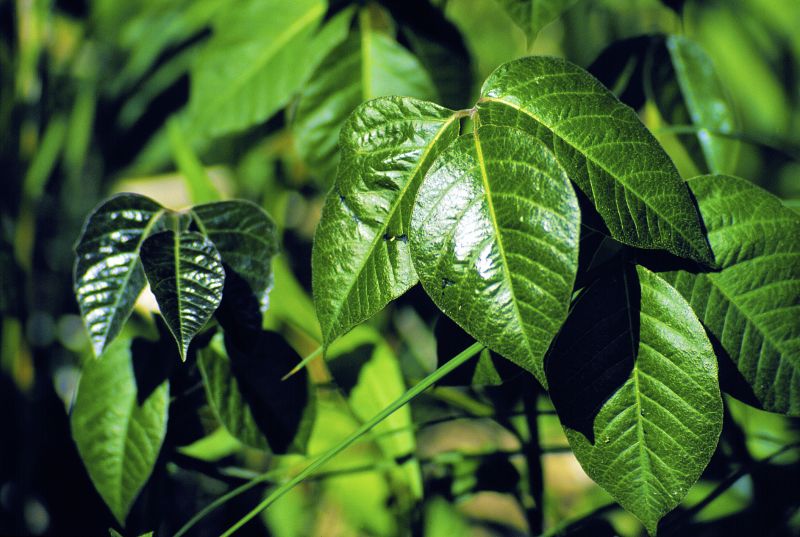
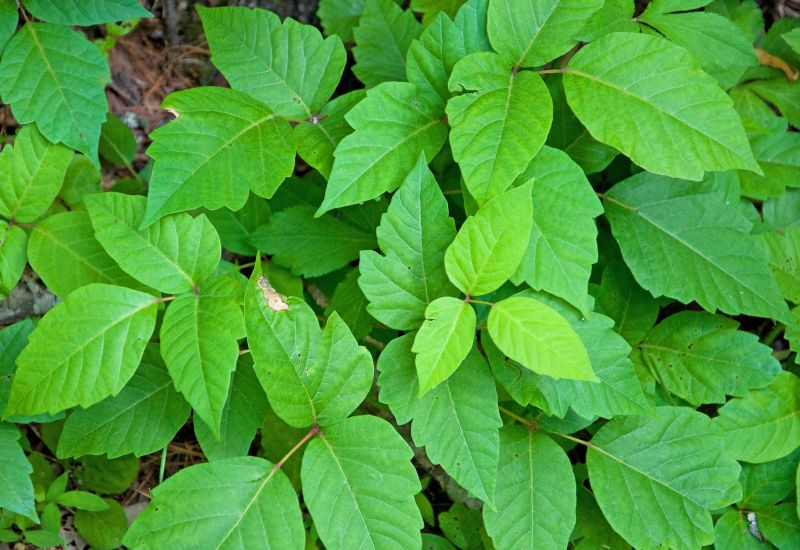
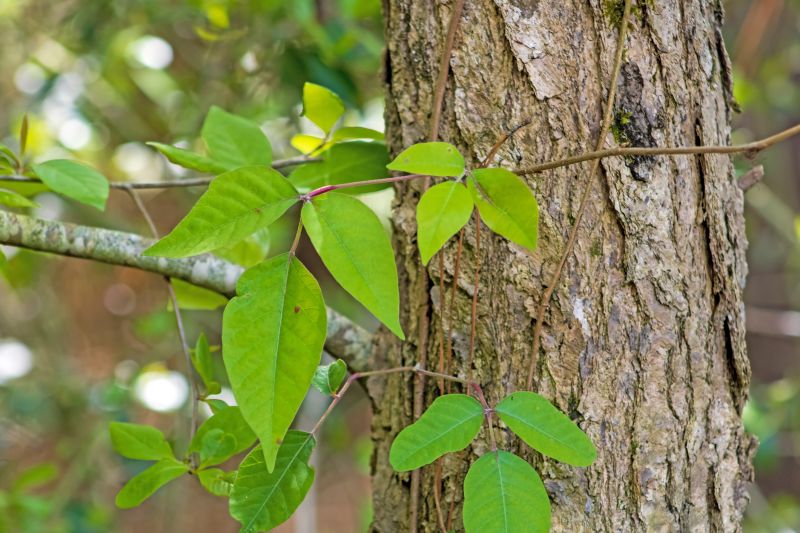
Recognizing the signs of poison ivy can help prevent skin irritation and spread.
Safety During Removal
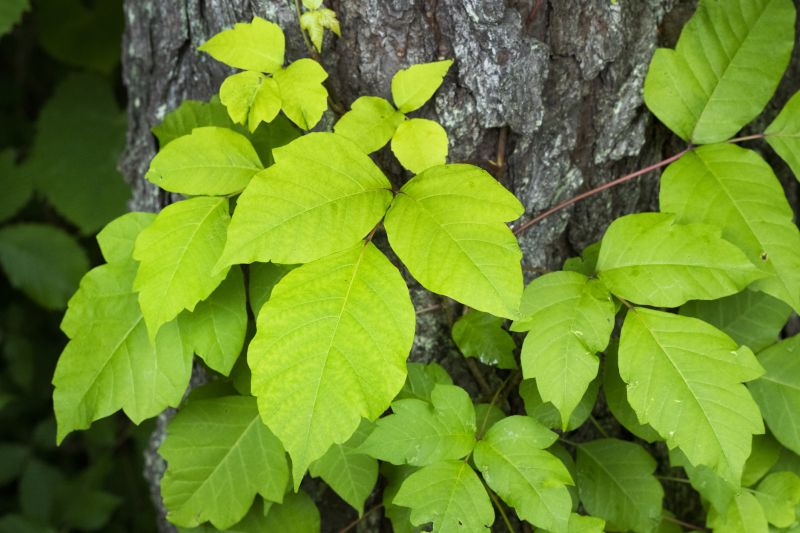
Proper removal techniques ensure safety and prevent the spread of the plant to surrounding areas.
Property Maintenance
Removing poison ivy helps maintain the health and safety of gardens, lawns, and outdoor spaces in delaware county.
Poison Ivy Removal in Delaware County, PA
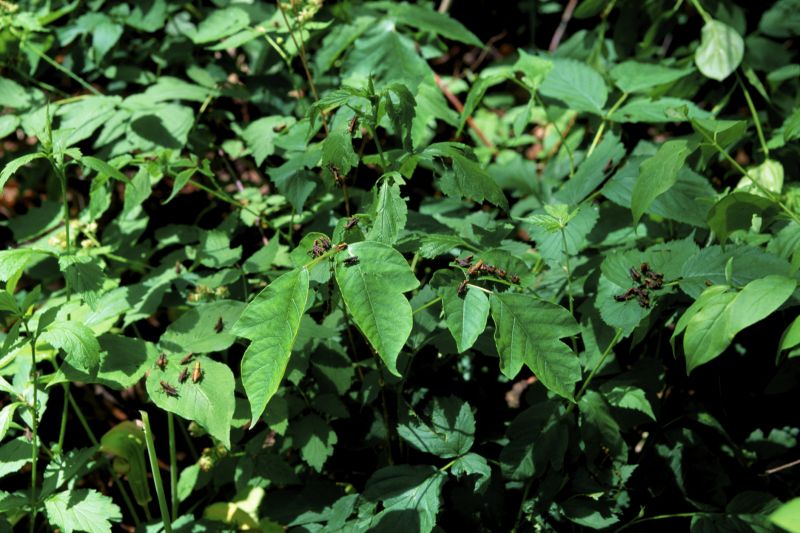
Poison ivy removal services focus on safely eliminating this invasive plant from residential properties, helping homeowners maintain a safe and appealing outdoor space. These services typically cover projects such as clearing poison ivy from yards, gardens, fences, and landscape areas, especially where the plant poses a risk of skin irritation or allergic reactions. Property owners often seek removal when poison ivy grows along fences, in wooded areas, or near play spaces, and they want to understand the best methods for safe and effective eradication to prevent regrowth.
Before requesting poison ivy removal, property owners should consider the extent of the infestation and the location of the plants relative to other landscape features. It's helpful to know whether the plants are in hard-to-reach areas or near sensitive plants and structures. Clarifying the desired outcome-whether complete removal or controlled management-can ensure the service is tailored to meet specific needs. Proper identification of poison ivy is essential, as it can sometimes be mistaken for other plants, and understanding the potential hazards involved is important for safe handling.
Many property owners in Delaware County, PA look into Poison Ivy Removal for repairs, replacements, upgrades, and appearance-related improvements.
Common Poison Ivy Removal Jobs
Poison Ivy Removal - safe and effective removal of invasive poison ivy from residential properties.
Yard Clearing - thorough removal of poison ivy from lawns, gardens, and landscape beds.
Fence Line Treatment - targeted elimination along property boundaries to prevent spread.
Tree and Shrub Clearing - removal of poison ivy growing on or near trees and shrubs.
Property Maintenance - ongoing management to keep poison ivy from re-establishing.
Emergency Removal - quick response for urgent poison ivy removal in high-traffic areas.
Poison Ivy Removal Questions
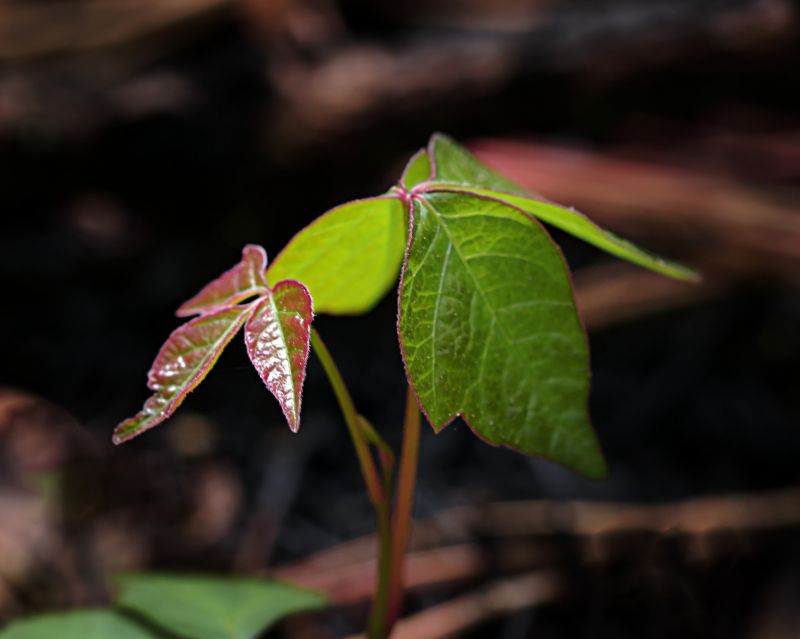
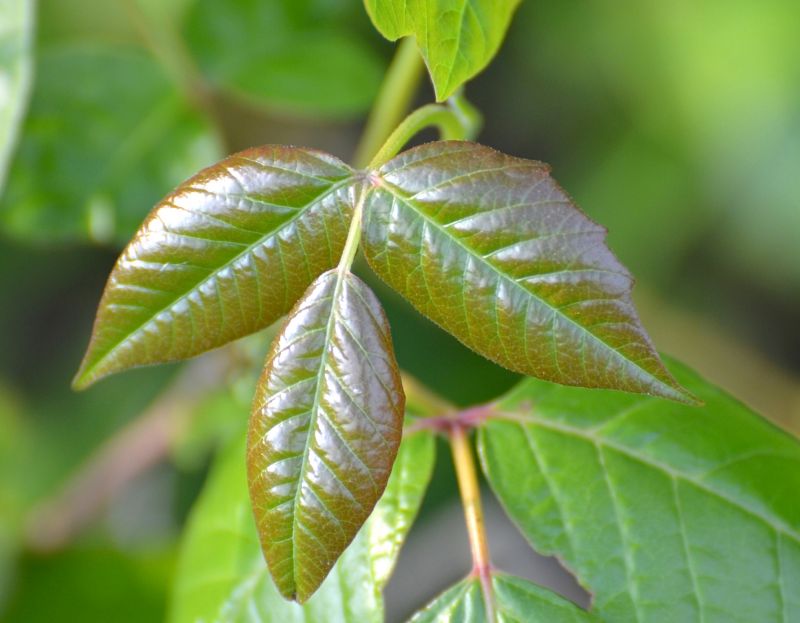
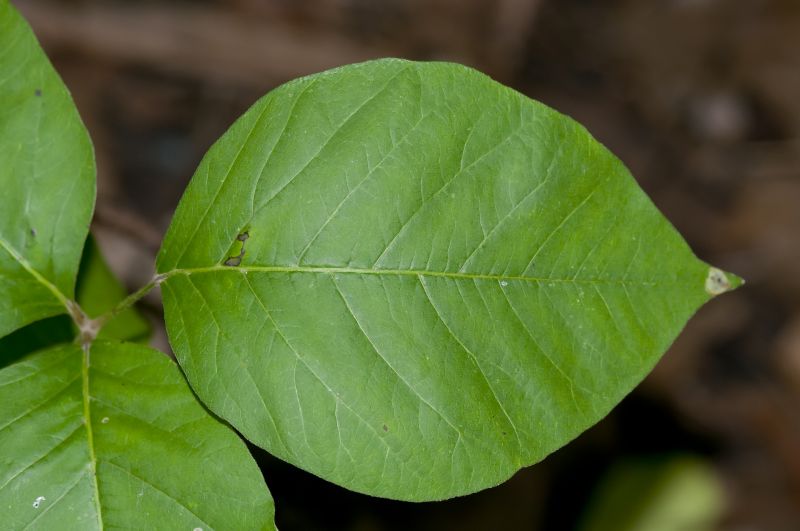
What are the signs of poison ivy on a property? Common signs include clusters of three leaflets with a shiny or matte surface, often growing on vines or shrubs.
Is poison ivy removal necessary for safety? Removing poison ivy helps prevent skin irritation and limits spread to other areas of the property.
What methods are used for poison ivy removal? Techniques typically involve careful hand removal, cutting, and disposal to ensure the plant is fully eradicated.
Can poison ivy grow back after removal? Yes, if roots are not completely removed, poison ivy can regrow from remaining root systems.
Request Poison Ivy Removal in Delaware County, PA
Use the quote form on this page to share the basics of your project and request more information for the type of work you need.