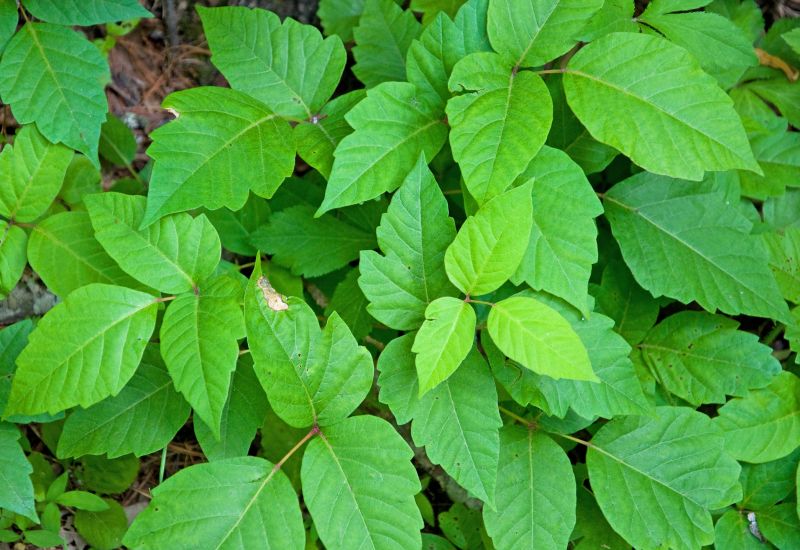
Poison Ivy Removal in Philadelphia, PA
Poison ivy removal services focus on safely eliminating this common plant that can cause skin irritation and allergic reactions for homeowners and property owners. These services typically cover a range of projects, including clearing poison ivy from yards, gardens, fences, and wooded areas, as well as removing it from hard-to-reach spots like along fences, trees, or beneath shrubs. Property owners often seek this service to restore safety and aesthetics to outdoor spaces, especially when poison ivy poses a risk to children, pets, or anyone spending time outside.
Before requesting poison ivy removal, property owners usually want to understand the extent of the infestation and whether the plant has spread to nearby areas. It’s important to know if the removal process involves root eradication to prevent regrowth and if any safety precautions are recommended during and after the work. Clarifying these details helps ensure that the removal is thorough and that outdoor spaces remain safe and enjoyable for all.
Many property owners in Philadelphia, PA look into Poison Ivy Removal for repairs, replacements, upgrades, and appearance-related improvements.
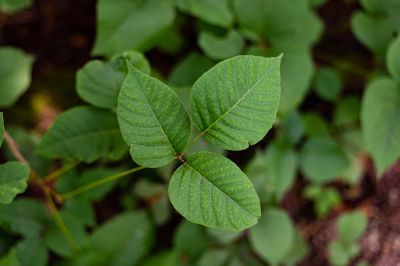
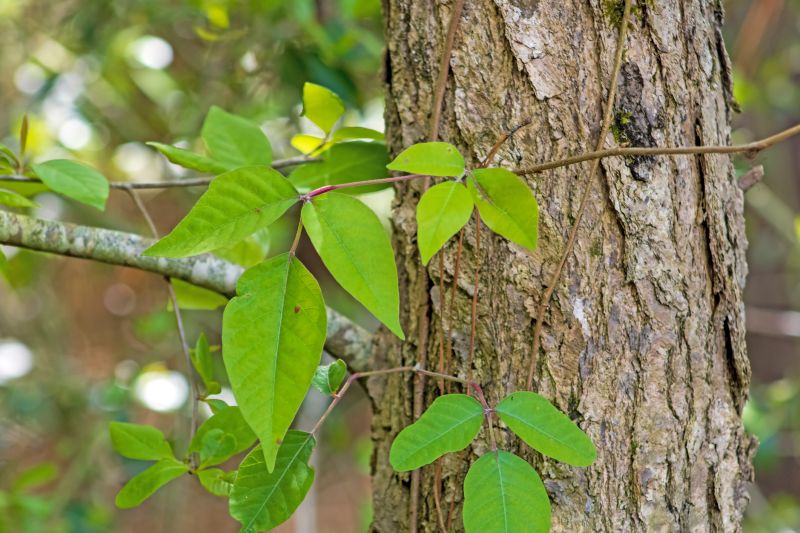
Identifying Poison Ivy
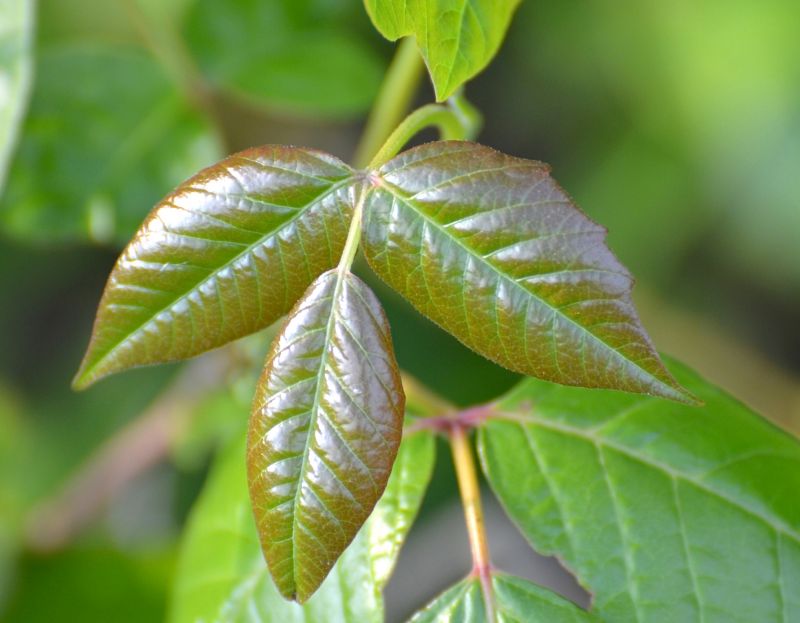
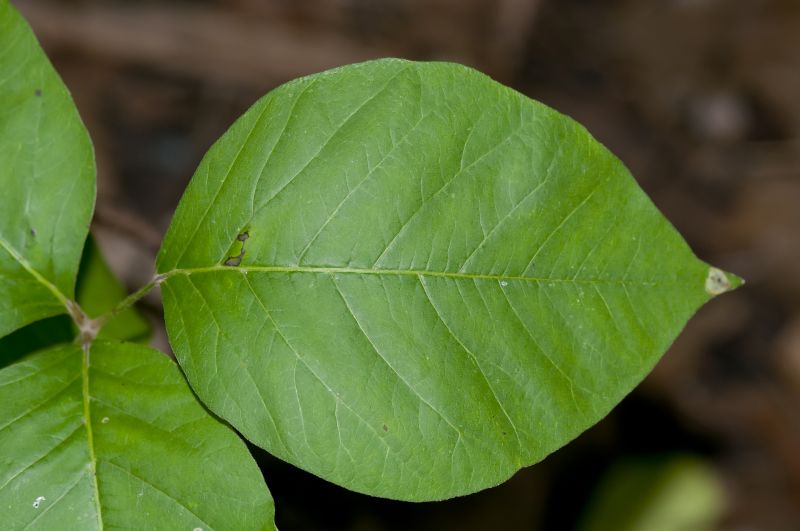
Recognizing poison ivy growth on residential and commercial properties in philadelphia helps prevent skin irritation and property damage.
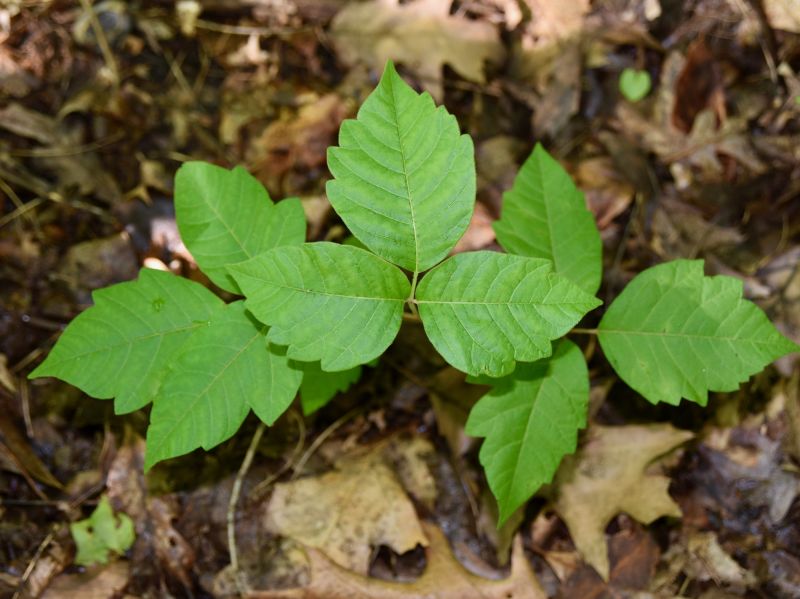
Removal Techniques
Effective removal methods ensure the safe and thorough elimination of poison ivy from yards, fences, and landscape areas.
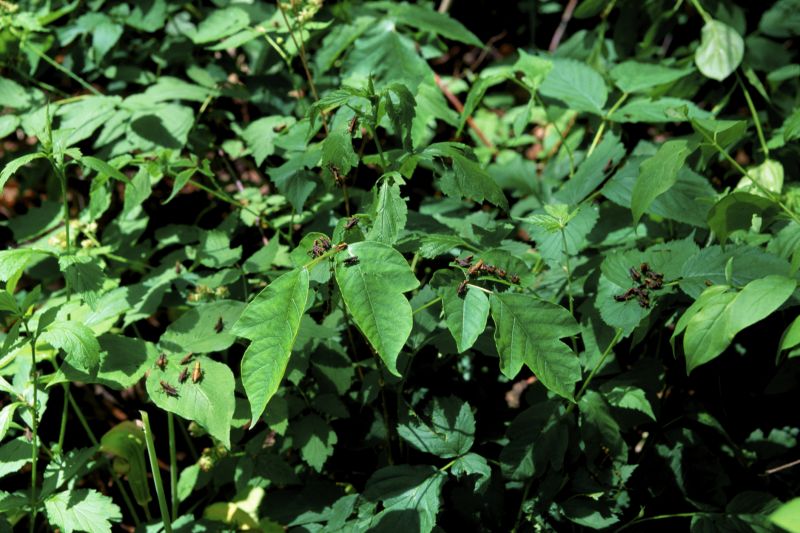
Property Maintenance
Regular upkeep minimizes poison ivy regrowth and maintains a safe outdoor environment for families and visitors in philadelphia neighborhoods.
Poison Ivy Removal in Philadelphia, PA
Poison ivy removal services focus on safely eliminating this common plant that can cause skin irritation and allergic reactions for homeowners and property owners. These services typically cover a range of projects, including clearing poison ivy from yards, gardens, fences, and wooded areas, as well as removing it from hard-to-reach spots like along fences, trees, or beneath shrubs. Property owners often seek this service to restore safety and aesthetics to outdoor spaces, especially when poison ivy poses a risk to children, pets, or anyone spending time outside.
Before requesting poison ivy removal, property owners usually want to understand the extent of the infestation and whether the plant has spread to nearby areas. It’s important to know if the removal process involves root eradication to prevent regrowth and if any safety precautions are recommended during and after the work. Clarifying these details helps ensure that the removal is thorough and that outdoor spaces remain safe and enjoyable for all.
Many property owners in Philadelphia, PA look into Poison Ivy Removal for repairs, replacements, upgrades, and appearance-related improvements.
Common Poison Ivy Removal Jobs
Poison Ivy Removal - Safe elimination of invasive plants from yards and gardens.
Yard Clearing - Removing poison ivy from landscape areas and outdoor spaces.
Property Maintenance - Ongoing removal to prevent regrowth and protect outdoor areas.
Vegetation Control - Targeted removal of poison ivy on trees, fences, and ground cover.
Hazard Prevention - Reducing skin irritation risks by clearing affected areas.
Site Cleanup - Proper disposal of removed plants to ensure safety and cleanliness.
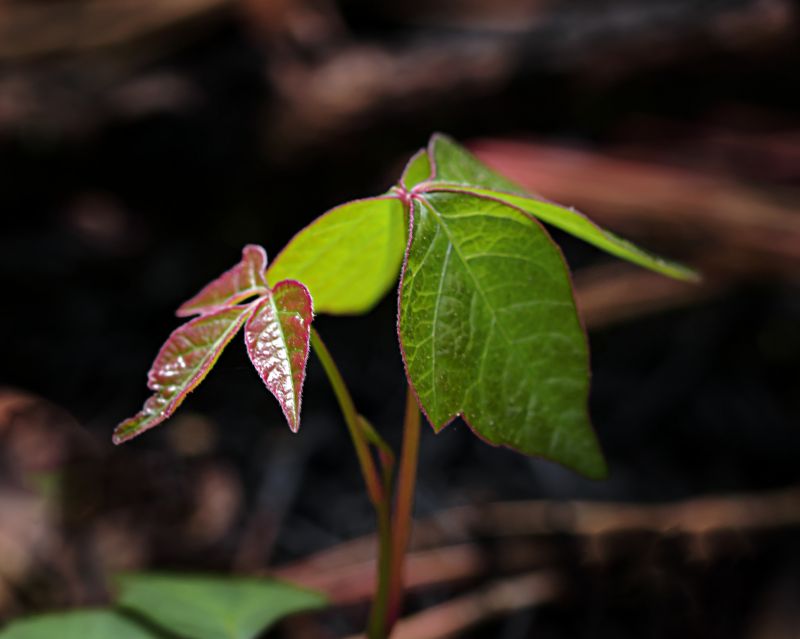
Poison Ivy Removal Questions
What is poison ivy removal? Poison ivy removal involves safely eliminating the plant to prevent skin irritation and protect the landscape.
When should poison ivy be removed? Removal is recommended when poison ivy is growing in areas accessible to people or pets, or when it begins to spread.
Does poison ivy removal require special tools? Yes, tools like gloves, protective clothing, and pruning equipment are used to safely remove the plant.
What areas are typically targeted for poison ivy removal? Common areas include yards, fence lines, wooded areas, and around decks or patios.
Request Poison Ivy Removal in Philadelphia, PA
Use the quote form on this page to share the basics of your project and request more information for the type of work you need.